The Liturgy No One Had for Me
The Churching of Women
For centuries there church performed a rite called the Churching of Women — a blessing for the mother who came through childbirth alive, delivered safely to the other side. She would return to the congregation and be received with thanksgiving. There were words for her. There was a ritual to mark what her body had done.
That fell out of practice, and now the church has a liturgy for the child who is born.
There has been nothing for the rest of us.
Nothing for the woman who miscarried. Nothing for the woman who terminated a pregnancy she wanted. Nothing for the woman whose body held something simultaneously alive and already decided. The tradition had one liturgy for one outcome, and silence for every other thing a pregnancy can be.
I know, because I went looking. And when I couldn't find it, I wrote it myself.
Four heartbeats
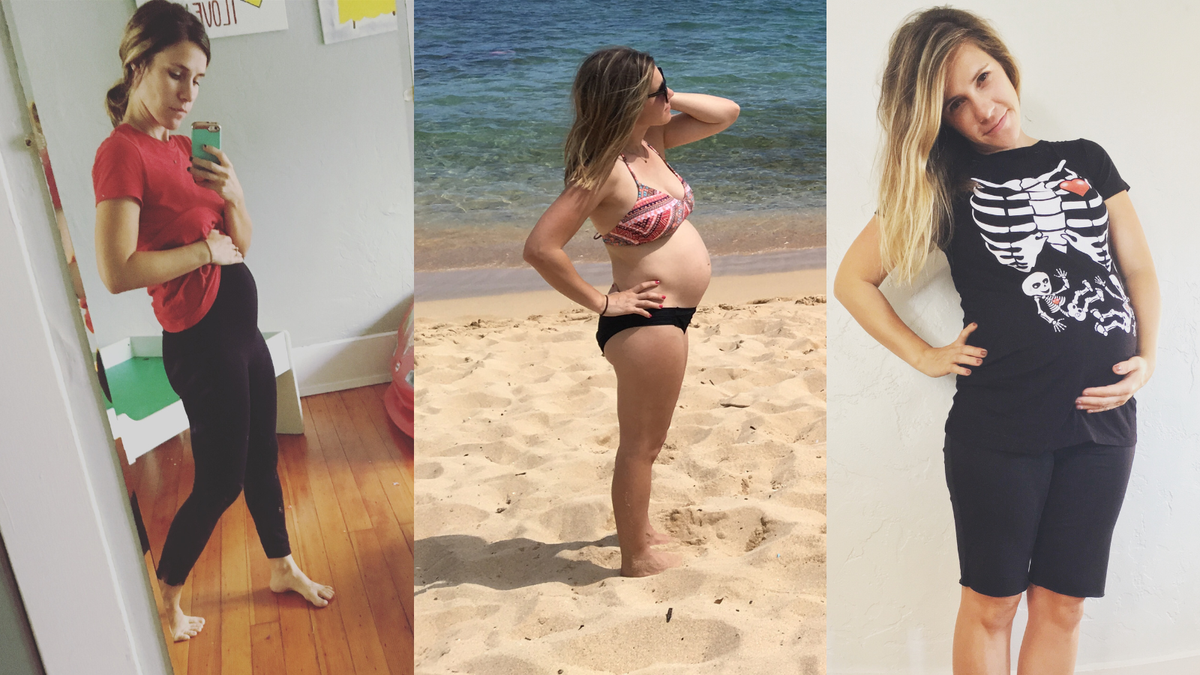
In 2017, after two years of trying to conceive and four rounds of fertility treatments, I finally got a positive pregnancy test. At the first ultrasound my husband and I held our breath while the doctor adjusted her equipment and then told us that we were pregnant with quadruplets.
My vision tunneled. The doctor asked if my husband needed to sit down.
I had grown up in a church that venerated motherhood as the ultimate goal for a Christian woman — the reward, I imagined, for my obedience. Instead motherhood had already dragged me through infertility and a traumatic first birth, and now it had arrived as a medical emergency. The risks of a quadruplet pregnancy are severe: one in four ends in complete spontaneous loss, and the ones that continue bring near-certain bed rest, premature delivery, and elevated risk of lifelong disability for the babies.
Choosing selective reduction
We chose to reduce the pregnancy to twins. I made that decision with my husband and my medical team, and no one else, because I could not bear the weight of anyone's judgment. I didn't feel safe enough to bring the people I loved into the hardest thing that had ever happened to me. I carried the truth alone for years.
My book, Faithfully Dissident Daughters, tells the rest of this story — the theology I had to rebuild, the God I finally found in the raw and messy middle of my own life. If you are the woman I was — mired in complicated grief, sure you are the only one — this is for you.
Words for the choice, none for the sorrow
I do not regret the decision. But I grieved — and I had nowhere to bring the grief.
My tradition had a great deal to say about the choice and nothing at all to say about the sorrow. It could condemn me or it could pretend the loss hadn't happened, but it could not hold both the sorrow and the peace at once. It had no rite for a woman who had done a hard, right thing and needed to process it in community. I needed a place for lament and a place for anointing, where women mark one another's foreheads and say: You have been witnessed. You are held.
So years later, I wrote the liturgy I needed in 2017 and could not find.
God with a womb
The liturgy draws on an ancient Hebrew word, racham, which means both womb and compassion. The God of that word is not the judging Father I felt staring down at me in the ultrasound room. It is a God with a womb, a God who has carried and lost and labored, a God close enough to grieve alongside you.
This week, that liturgy goes live. It lives on my website, and it is also being published by Abortions Welcome, a project of the Religious Community for Reproductive Choice, who invited me to contribute it. It is free. You can use it in your faith community, adapt it, read it alone, or bring it to a room full of women who have been carrying their own unspoken losses.
I am telling you the story behind it now, plainly, because I spent five years believing I was the only faithful woman who had ever made this choice — and I was wrong. Christian women have abortions. We have simply never been given the words, or the safety, to say so.
There is a blessing for the child who is born.
This is for everything else.